
Education has changed significantly over the past few years. Technology has introduced new ways for students to learn, communicate with teachers, and access educational resources. One of the biggest developments is the growing use of virtual classrooms.
Across New Zealand, students are becoming increasingly familiar with digital learning tools, video lessons, online assignments, and interactive educational platforms. These technologies are creating additional opportunities for students to learn beyond traditional classroom environments.
Whether a student lives in Auckland, Wellington, Christchurch, Hamilton, or a smaller regional community, virtual classrooms can provide convenient access to educational resources.
But how exactly are virtual classrooms changing education in New Zealand?
From flexible learning schedules to improved access to academic support, virtual classrooms are influencing how students approach their education.
In this blog, we will explore the impact of virtual classrooms, their benefits, potential challenges, and how Online Tutoring in New Zealand can support students in today's changing educational environment.
What Are Virtual Classrooms?
Virtual classrooms are digital learning environments where students and teachers connect through the internet.
Instead of meeting in a traditional physical classroom, participants use computers, laptops, tablets, or smartphones to attend lessons and exchange information.
Virtual classrooms may include several learning features, such as:
These tools allow teachers to explain concepts, share educational materials, and communicate with students through digital platforms.
Virtual classrooms can be used for regular academic lessons, additional subject support, revision sessions, and online tutoring.
10 Ways Virtual Classrooms Are Changing Education in New Zealand
1. Making Education More Accessible
One of the most important advantages of virtual classrooms is improved access to educational opportunities.
Students living in different parts of New Zealand may not always have convenient access to additional tutoring centres or specialized learning resources.
Virtual classrooms help reduce geographical barriers by allowing students to connect with teachers and educational resources online.
For example, a student living in a smaller regional community may be able to attend an online academic session without travelling to a major city.
This creates additional learning opportunities for students who prefer studying from home.
2. Offering More Flexible Learning Opportunities
Traditional classroom education generally follows fixed schedules. Virtual classrooms can introduce greater flexibility, depending on the learning platform and teaching arrangements.
Students may be able to access recorded lessons, review learning materials, or arrange additional tutoring sessions around their existing schedules.
This can be particularly useful for students balancing:
School or university classes.
Homework and assignments.
Sports and extracurricular activities.
Part-time employment.
Personal responsibilities.
Flexible learning arrangements can help students organize their academic activities more effectively.
3. Encouraging Interactive Learning
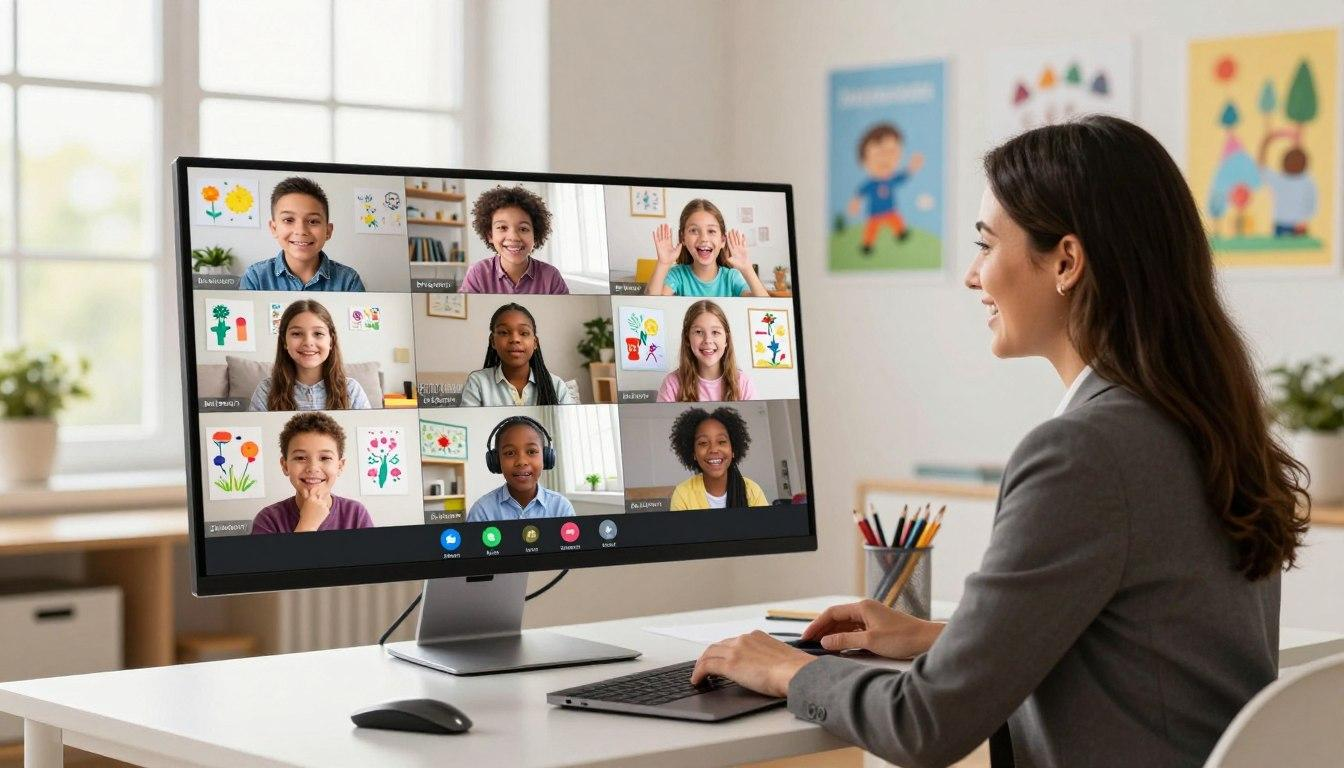
Virtual classrooms are not limited to watching educational videos.
Many platforms offer interactive features that encourage students to participate in lessons.
These may include:
Such features can make lessons more engaging and encourage students to participate actively.
When students interact with teachers and classmates, they also get more opportunities to clarify difficult concepts.
4. Providing Access to Digital Learning Resources
Technology has made educational information easier to access.
Students can now use different digital resources to support their classroom learning.
These resources may include:
For example, a student struggling with a science topic can review digital notes, watch an educational explanation, and complete an online quiz.
Using different learning materials can help students understand subjects from multiple perspectives.
5. Supporting Personalized Learning
Every student learns differently.
Some students understand concepts quickly, while others require additional explanations and practice.
Virtual learning environments can support different learning needs through individual sessions, recorded lessons, and personalized academic guidance.
For example, students receiving online tutoring can spend additional time understanding difficult mathematics problems or improving their English writing skills.
Personalized learning support may help students:
Identify their learning gaps.
Focus on challenging subjects.
Practise at their own pace.
Ask questions comfortably.
Build confidence in their abilities.
This is one reason Online Tutoring in New Zealand is becoming a useful option for students seeking additional academic support.
6. Reducing Travel Time for Students
Travelling to educational institutions or tutoring centres can take considerable time, especially for students living far from learning facilities.
Virtual classrooms allow students to attend online lessons from home or another suitable location.
The time saved through reduced travel can be used for:
Although online education still requires proper planning, reducing unnecessary travel can make students' daily routines more manageable.
7. Developing Important Digital Skills
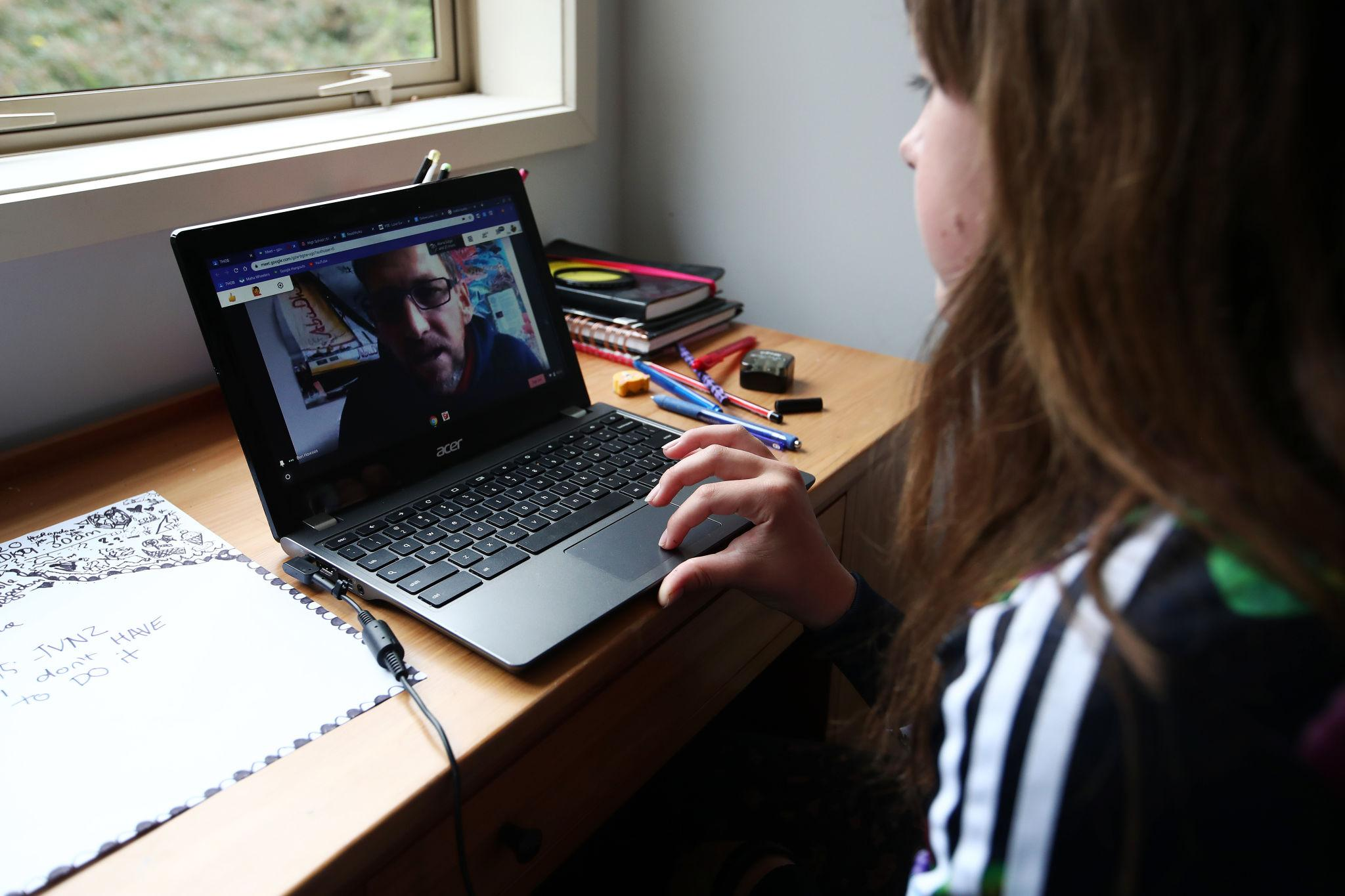
Digital skills are becoming increasingly important in education and modern workplaces.
By attending virtual classrooms, students get opportunities to become familiar with different technologies and digital communication tools.
They may learn how to:
Join online meetings.
Use digital presentations.
Access online learning platforms.
Submit assignments electronically.
Organize digital documents.
Communicate through virtual classrooms.
These skills can support students in future educational and professional environments.
8. Making Academic Support More Convenient
Sometimes, students need additional help beyond their regular classroom lessons.
They may struggle with a particular subject, need extra practice, or want to prepare more effectively for examinations.
Virtual classrooms make it possible to access additional academic support through online sessions.
With Online Tutoring in New Zealand, students can explore opportunities to receive guidance from tutors without needing to travel to a physical tutoring centre.
Depending on the service, students may receive support with:
Mathematics.
English.
Science.
Homework.
Assignment preparation.
Exam revision.
Additional academic guidance can complement regular classroom learning and help students understand challenging concepts.
9. Encouraging Independent Learning
Virtual classrooms also encourage students to take greater responsibility for their education.
Students often need to manage their learning schedules, access study materials, complete assignments, and prepare for online sessions independently.
These activities can help develop important skills such as:
Time management.
Self-discipline.
Problem-solving.
Independent research.
Personal responsibility.
Students who develop these habits can become more confident and organized learners.
10. Connecting Students With Learning Opportunities Beyond Their Local Area

Virtual classrooms can connect students with educational resources and teachers beyond their immediate geographical location.
This can provide additional learning opportunities that may not always be available locally.
For example, students may access subject-specific tutoring, online workshops, educational discussions, and digital learning communities.
This broader access can help students explore different learning approaches and gain additional academic perspectives.
However, students should always choose reliable educational providers and resources that match their learning requirements.
Challenges of Virtual Classrooms and How Students Can Overcome Them
Although virtual classrooms offer several advantages, online learning also comes with certain challenges.
Understanding these challenges can help students develop better learning habits.
1. Internet Connectivity Issues
An unstable internet connection can interrupt live lessons and affect communication.
Solution: Use a reliable internet connection and keep learning materials downloaded whenever possible.
2. Lack of Concentration
Studying from home can create distractions, including mobile phones, social media, and background noise.
Solution: Create a dedicated study space, follow a timetable, and avoid unnecessary distractions.
3. Limited Face-to-Face Interaction
Some students prefer direct classroom interaction and may find online discussions less engaging.
Solution: Participate in live discussions, ask questions, and communicate regularly with teachers and classmates.
4. Screen Fatigue
Spending extended periods in front of a screen can cause tiredness and reduce concentration.
Solution: Take regular breaks, maintain comfortable screen settings, and balance screen-based learning with offline activities.
5. Managing Time Independently
Online learning requires students to manage their schedules and academic responsibilities.
Solution: Set daily learning goals, maintain a study planner, and complete assignments before deadlines.
How Siri Education Supports Online Learning in New Zealand
As education continues to evolve, students need learning opportunities that match their academic requirements and individual learning preferences.
Siri Education recognizes the importance of accessible and supportive learning experiences for students.
Through online learning and tutoring opportunities, students can receive additional academic guidance, explore challenging subjects, and develop better study habits.
Here is how online tutoring can complement a student's educational journey:
Personalized Academic Guidance: Students can receive additional explanations based on their learning needs.
Flexible Learning: Online sessions can fit around school schedules and other commitments.
Subject-Specific Support: Students can focus on subjects and concepts where they need extra practice.
Interactive Learning: Virtual sessions can encourage students to ask questions and participate in discussions.
Convenient Access: Students can connect with tutors from suitable locations using an internet-enabled device.
At Siri Education, the aim is to make additional academic support more accessible and help students approach learning with greater confidence.
If you are exploring additional educational support, discover how Online Tutoring in New Zealand can complement your learning routine.
What Does the Future of Virtual Classrooms Look Like in New Zealand?
The future of education is likely to involve an increasing combination of traditional classroom teaching and digital learning technologies.
Virtual classrooms are creating opportunities for students and teachers to explore new ways of sharing information and communicating.
Some developments that may continue shaping digital education include:
Artificial Intelligence: Educational tools may help students practise concepts and access personalized learning assistance.
Interactive Learning Platforms: More digital tools may make online lessons engaging and practical.
Hybrid Education: Schools and educational providers may continue combining in-person and online learning.
Digital Assessments: Online quizzes and assessments can provide additional opportunities to review learning progress.
Personalized Learning: Technology can help educators adapt learning activities to different student requirements.
The goal is not necessarily to replace traditional education but to make learning more accessible, flexible, and supportive.
Final Thoughts
Virtual classrooms are changing how students access education and interact with learning resources in New Zealand.
From flexible schedules and improved accessibility to interactive lessons and personalized academic support, online education offers several opportunities for modern learners.
However, successful online learning requires more than just a laptop and an internet connection. Students also need discipline, regular participation, effective time management, and a willingness to learn.
For students looking for additional academic guidance, Online Tutoring in New Zealand can provide a convenient way to explore subject-specific support and improve their understanding.
Siri Education believes in making learning more accessible and helping students take positive steps towards their academic goals.
Whether you are a school student or preparing for higher education, embracing the right learning opportunities can help you build a stronger educational foundation.
Explore online learning opportunities with Siri Education and take the next step in your learning journey!
Frequently Asked Questions (FAQs)
1. What is a virtual classroom?
A virtual classroom is an online learning environment where students and teachers connect through digital platforms. It allows students to attend lessons, ask questions, share learning materials, and participate in discussions using internet-enabled devices.
2. How are virtual classrooms changing education in New Zealand?
Virtual classrooms are making education more accessible through digital resources, flexible learning opportunities, interactive lessons, and online academic support.
3. What are the main benefits of virtual classrooms?
Some major benefits include:
Flexible learning schedules.
Reduced travel requirements.
Access to digital educational resources.
Interactive learning experiences.
Opportunities for personalized academic support.
Development of digital skills.
4. Is online learning suitable for school students in New Zealand?
Yes. Online learning can support school students when it includes suitable educational resources, structured lessons, teacher guidance, and regular academic participation.
5. How does Online Tutoring in New Zealand help students?
Online tutoring can provide additional subject-specific guidance, personalized explanations, practice opportunities, and flexible learning sessions. It can complement regular classroom education.
6. What equipment do students need for virtual classrooms?
Students generally need a laptop, desktop, or tablet, a reliable internet connection, headphones or speakers, and access to the required online learning platform.
7. Can virtual classrooms replace traditional classrooms?
Virtual classrooms offer flexibility and digital learning opportunities, but traditional classrooms also provide valuable face-to-face interaction. Both approaches can complement each other depending on students' educational needs.
8. How can students stay focused in virtual classrooms?
Students can stay focused by creating a quiet study space, following a learning schedule, avoiding mobile distractions, taking notes, participating in discussions, and taking regular breaks.